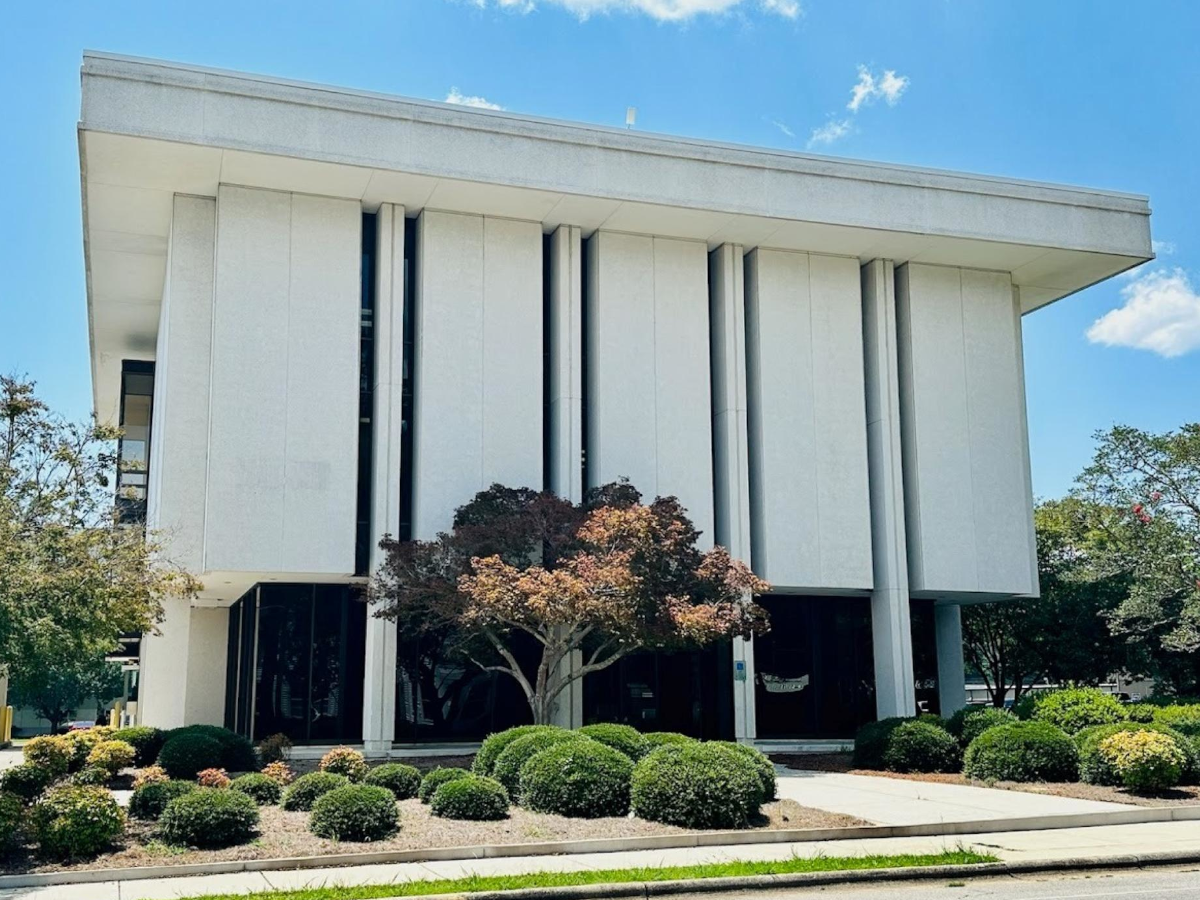
From law enforcement and education to senior services and public health, here’s how Columbus County plans to spend its money during the 2026–2027 fiscal year.
Every year, Columbus County residents pay taxes on their homes, land, vehicles, and purchases. But where does that money actually go?
The answer can be found in the county’s annual budget, a financial plan that determines how much money is available for public services and how those dollars will be distributed.
For the fiscal year beginning July 1, 2026, and ending June 30, 2027, Columbus County commissioners approved a budget totaling approximately $105 million across the county’s various funds.
At the center of that budget is the $76,044,717 General Fund, which supports many of the government services residents use every day.
The county’s adopted budget shows that public safety, human services, and education account for nearly 80% of General Fund spending.
Public Safety: $22 Million
The largest category of spending in Columbus County’s General Fund is public safety, with approximately $22 million budgeted.
That includes:
- Sheriff’s Office patrol operations: $9,729,536
- Detention Center: $5,718,484
- Fire and Rescue: $2,661,320
- 911 Operations: $1,740,647
- Animal Protective Services: $691,716
- Emergency Services: $601,531
Additional funding supports inspections, the fire marshal, medical examiner, and other public safety activities.
Combined, these expenditures represent approximately 29% of the General Fund.
The funding supports everything from responding to emergencies and operating the county jail to dispatching emergency personnel and providing fire protection.
Human Services: $21.2 Million
The second-largest spending category is human services, with $21,230,828 allocated.
The Department of Social Services accounts for $12,096,164, while the Health Department receives $5,623,441.
Another $3,299,670 is allocated to the Department of Aging, which supports services for older residents.
Veterans Services receives $211,553.
These departments provide programs and assistance involving public health, family services, aging, and veterans’ needs.
Not all human services spending comes directly from local property taxes. State and federal funding also helps support county-administered programs.
Education: $17.5 Million
Education represents another major investment in Columbus County’s budget.
The county has allocated $17,463,374 for public schools and Southeastern Community College.
That includes approximately $14.9 million for public schools and $2.6 million for the community college.
The public school funding supports both Columbus County Schools and Whiteville City Schools.
The adopted budget identifies $6,657,764 in current operating expenses for Columbus County Schools and $2,521,307 for Whiteville City Schools.
Additional allocations cover capital improvements and school-related debt service.
Southeastern Community College is allocated $1,880,373 for current expenses and $700,000 for capital needs.
Although the State of North Carolina provides substantial education funding separately, county government remains responsible for important local operating, facility, and capital costs.
General Government: $9.9 Million
Operating county government also requires funding for administrative services.
Columbus County has allocated $9,927,423 for general government operations.
Among the expenses are:
- Facility Services: $2,248,483
- Tax Administration: $1,722,812
- Board of Elections: $688,341
- Register of Deeds: $583,164
- County Administration: $336,552
This category also includes finance operations, legal services, personnel, information technology, and other administrative functions.
These departments handle the behind-the-scenes responsibilities that allow county services to operate, from maintaining public buildings and managing financial records to administering elections.
Libraries, Parks, and Economic Development
Some of the county’s smaller spending categories support services that residents may encounter regularly.
The county has budgeted $1,508,766 for its library system and $498,627 for parks and recreation.
Economic and physical development programs receive a combined $2,016,669.
That includes funding for the county airport, economic development, planning, Cooperative Extension, and soil conservation.
These allocations support activities ranging from recreational opportunities and library access to agricultural assistance and business development.
Where Does the Money Come From?
Columbus County relies on several sources of revenue to fund its operations.
For the 2026–2027 fiscal year, the county projects:
- Property taxes: $37,291,798
- Sales and use taxes: $15,815,991
- Federal, state, and other intergovernmental revenue: $11,719,910
- Fees and charges: $4,692,686
- Miscellaneous revenue: $2,759,378
- Investment income: $1,400,000
- Fund balance appropriation: $2,364,954
Property taxes alone account for approximately 49% of the General Fund’s projected revenue.
When combined with sales taxes, those two sources account for nearly 70%.
The remaining revenue comes from government funding, service charges, investments, and other sources.
How Much Do Property Owners Pay?
For the 2026–2027 fiscal year, Columbus County maintained its property tax rate at 80.5 cents per $100 of assessed property value.
That means a property assessed at $100,000 would generate approximately $805 in annual county property taxes before any applicable exemptions or adjustments.
A property assessed at $200,000 would generate approximately $1,610.
These figures reflect the countywide tax rate only. Property owners may also pay municipal taxes, fire district taxes, or other applicable charges depending on where their property is located.
A Budget Facing Financial Pressure
While the county’s budget provides funding for essential services, officials have also acknowledged financial challenges.
The 2026–2027 budget was adopted without increasing the countywide property tax rate.
However, county officials reported that the budget required approximately $2.36 million from the county’s fund balance to cover planned spending.
The county also faced revenue pressures, including a significant reduction in property tax revenue associated with International Paper.
Rising costs for employee health insurance, utilities, vehicle maintenance, and other expenses have added to the financial challenges.
The approved budget includes no across-the-board pay raises or cost-of-living adjustments for county employees.
A July 2026 report from the North Carolina Office of the State Auditor also identified concerns involving the county’s available General Fund balance, delayed financial audits, and unresolved financial reporting controls.
The county agreed with the audit’s findings and recommendations, according to the state auditor.
These issues raise an important long-term question: How can Columbus County maintain services and address rising costs while balancing its available revenue?
Why the County Budget Matters
A county budget is more than a collection of numbers.
It reflects decisions about the services residents depend on and the financial resources available to provide them.
When someone calls 911, visits a public library, receives assistance from the Health Department, or enrolls a child in a public school, county government plays a role in supporting those services.
The budget also affects taxpayers, county employees, local businesses, and residents who depend on public programs.
For Columbus County residents, understanding where tax dollars go is an important part of understanding how local government operates.
And with millions of dollars allocated each year, the decisions made during the county budget process will continue to shape services and financial priorities across the community.


 MORE »